
In the modern professional world, communication is no longer just a soft skill—it is a core competency. Therefore, your voice becomes a defining factor in how you are perceived, understood, and remembered. From boardrooms to classrooms and virtual meetings, a clear and confident voice can elevate your authority and credibility. However, constant voice usage without proper care often leads to fatigue, strain, and reduced vocal quality. As a result, many professionals struggle to maintain consistency in their speech performance. Fortunately, structured voice training techniques can help you build a resilient, powerful, and sustainable voice.
At Holistic Voice Recovery, the focus is on long-term vocal development through natural, science-backed methods. In this comprehensive guide, you will explore advanced voice therapy exercises, deeper insights, and practical strategies to optimize your vocal performance.
Understanding Vocal Fatigue: Causes, Signs, and Long-Term Impact
Common Causes of Vocal Fatigue
- Continuous speaking without recovery time
- Inefficient breathing techniques
- Poor posture and body alignment
- Excessive throat tension
- Speaking in unnatural pitch ranges
- Environmental factors such as dry air or noise
Warning Signs You Should Not Ignore
For instance, early symptoms often include:
- A rough or hoarse voice
- Frequent throat clearing
- Reduced vocal range
- Difficulty projecting your voice
- A feeling of tightness or discomfort
If left unaddressed, these issues can develop into chronic vocal conditions. Therefore, early intervention through targeted exercises is critical.
The Science Behind Voice Therapy and Why It Works
Voice therapy is not just a set of random exercises. Instead, it is a structured approach based on how the respiratory system, vocal cords, and resonance chambers work together.
In simple terms, voice therapy focuses on:
- Optimizing airflow from the lungs
- Reducing unnecessary muscle tension
- Enhancing resonance and sound vibration
- Improving coordination between breathing and speaking
As a result, professionals experience improved vocal efficiency, meaning they can produce stronger sound with less effort.
Advanced Voice Therapy Exercises for Professionals
1. Breath Anchoring Technique for Controlled Speech
To begin with, breath control is the foundation of vocal strength.
How to perform:
- Sit upright with relaxed shoulders
- Inhale deeply through your nose
- Pause briefly to stabilize the breath
- Exhale slowly while speaking a sentence
Why it matters:
This technique ensures consistent airflow, which prevents voice breaks and instability during long conversations.
2. Resonance Enhancement with Nasal Humming
Next, improving resonance allows your voice to carry effortlessly without strain.
Steps:
- Close your lips gently
- Hum while focusing on vibrations in your nose and cheekbones
- Gradually open your mouth while maintaining resonance
As a result, your voice becomes fuller, richer, and more impactful.
3. Semi-Occluded Vocal Tract Training (Straw Method)
In addition, this technique is widely recognized for improving vocal efficiency.
Instructions:
- Use a thin straw
- Hum steadily through it
- Maintain consistent airflow and pitch
Consequently, this reduces pressure on the vocal cords and enhances vocal balance.
4. Pitch Gliding for Dynamic Vocal Range
Furthermore, professionals often need flexibility in tone and pitch.
How to practice:
- Start at your lowest comfortable pitch
- Glide smoothly to your highest pitch
- Return slowly to the starting point
In turn, this exercise increases vocal range and prevents monotony in speech.
5. Controlled Projection Without Strain
Equally important, many professionals confuse loudness with projection.
Technique:
- Take a deep diaphragmatic breath
- Speak clearly while focusing on forward resonance
- Avoid pushing from the throat
Therefore, you can project your voice effectively without causing damage.
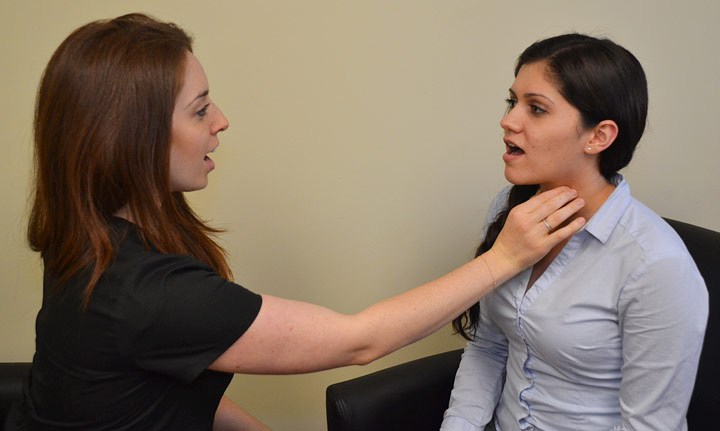
6. Jaw and Tongue Release Exercises
At the same time, tension in the jaw and tongue can restrict vocal clarity.
Routine:
- Gently massage your jaw muscles
- Stretch your tongue outward and hold briefly
- Practice slow mouth opening and closing
As a result, speech becomes clearer and more relaxed.
7. Precision Articulation Drills for Professional Speech
Moreover, articulation defines how well your message is understood.
Practice techniques:
- Repeat consonant-heavy phrases
- Use structured tongue twisters
- Slow down and exaggerate pronunciation initially
Consequently, your speech becomes sharper and more professional.
8. Vocal Recovery Cool-Down Techniques
Finally, just like physical exercise, your voice needs recovery.
Cool-down methods:
- Gentle humming
- Soft sighing
- Light breathing exercises
This helps relax the vocal cords and prevent post-speaking fatigue.
Building a Daily Vocal Conditioning Routine
To maximize results, consistency and structure are essential.
- Breathing and breath anchoring (5 minutes)
- Resonance and humming exercises (5–7 minutes)
- Straw phonation and pitch glides (10 minutes)
- Articulation drills (5 minutes)
- Cool-down and relaxation (5 minutes)
By following this routine regularly, you can significantly enhance your vocal endurance and clarity.
Professional Voice Care: Habits That Make a Difference
In addition to exercises, your daily habits play a crucial role in maintaining vocal health.
Hydration and Vocal Lubrication
First and foremost, drink sufficient water throughout the day to keep your vocal cords hydrated.
Strategic Voice Rest
Equally important, schedule short breaks to allow your voice to recover.
Nutritional Awareness
Moreover, avoid excessive caffeine and spicy foods that may irritate your throat.
Posture and Alignment
Likewise, maintain proper posture to support efficient breathing.
Stress Reduction Techniques
Finally, incorporate relaxation methods such as deep breathing or meditation to reduce tension.
When to Consider Expert Voice Therapy Support
Although self-practice is effective, some conditions require professional guidance.
Seek help if you notice:
- Persistent hoarseness lasting more than two weeks
- Pain or discomfort while speaking
- Sudden voice changes
- Difficulty maintaining vocal strength
In such situations, Holistic Voice Recovery provides tailored therapy programs designed specifically for professionals.
Holistic Voice Recovery: Elevating Voices with a Natural Approach
What makes Holistic Voice Recovery unique is its comprehensive philosophy. Rather than treating symptoms alone, it addresses the root causes of vocal issues.
Core Benefits Include:
- Customized voice training plans
- Natural and non-invasive techniques
- Focus on both physical and mental vocal health
- Long-term performance improvement
As a result, professionals gain not only recovery but also enhanced vocal confidence and control.

Conclusion: Invest in a Voice That Supports Your Success
In conclusion, your voice is one of your most valuable professional tools. Therefore, maintaining its strength and clarity should be a priority.
By integrating advanced voice therapy exercises, adopting healthy habits, and seeking expert guidance when needed, you can achieve long-lasting vocal excellence. Ultimately, a well-trained voice not only improves communication but also strengthens your professional presence. If you are ready to take your vocal performance to the next level, Holistic Voice Recovery offers the expertise and holistic support you need to succeed.